Today I took part in a really fascinating hypothetical discussion forum with women from across North Lancashire. We looked together at the “right” of choosing to have a Cesarean Section instead of a vaginal birth when there is no clinical indication at all to have one. We also discussed the “right” of having a home birth against the advice of clinicians and current, sound clinical guidance. Unsurprisingly it sparked some good debate but it is this kind of conversation and indeed much wider ones that are vital if we’re going to continue having a National Health Service in the UK that is accessible to all, safe in its provision of care and sustainable for the future.
ukhumanrightsblog.com
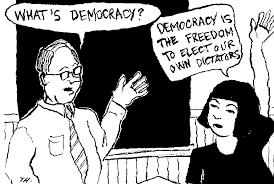
The human rights agenda, if we are not careful, becomes a platform for each of us to act in a way that leaves no regard for the impact of our decisions on the ‘other’ (be that professionals involved in our care, or other people who will now have less choice available to them due to decisions we have made). But we must differentiate between choice and rights as they are not the same thing. In maternity services, a woman has the right to excellent maternity care in which she makes shared decisions with her midwife and obstetrician. However, does a woman have the “right” to demand care which is way outside of what is clinically safe, or to demand a much more expensive treatment option when there is a lack of evidence that she truly needs it, especially when resources are limited? Tough questions! The truth is, she does , of course, have that right. But a more difficult question is whether or not it is then within the gift of the NHS to then provide that kind of care.
So, for example within maternity, let’s take home birth. Two of my 3 children were born at home and it was a beautiful experience (says the man). It is really important that this choice is offered as widely as possible on the NHS. However, there are certain situations in which a home birth becomes extremely risky to the mother and unborn child and the clinical evidence really backs this up (see NICE guidance). So, as an example, a woman who has previously given birth and had a massive haemorrhage afterwards and in a subsequent pregnancy has gestational diabetes, obesity and a twin pregnancy would not be advised to give birth at home. For the best outcome of a healthy mum and baby the evidence would suggest that this birth would be better under closer supervision than can happen at home. However, what if she takes all this information in and still demands a home birth as her “right”? Well, currently, she would come to a shared care agreement with her midwife and obstetrician, come to an understanding of all the risks involved and have a home birth. And there is a huge part of me, as a feminist, that loves this. It is her own body and her own baby and she can make informed choices. But the cost implication of the time and resource taken from what is an understaffed and overworked midwifery service might then mean that very few other home births can happen in the week or two surrounding her due date and puts the clinicians under significant stress. So, the woman makes the choice to hold onto her “right”, but the impact on others is that their choices are now more limited.
So too with Cesarean Sections on demand. I understand the fear of some women about going through labour and various other reasons for choosing a section. The conversation is not about removing the choice for those who really need it, but the current rates of 25-27% of all births through C. Section is not sustainable in the long-term (nor is it supported by the Midwifery 2020 document). The NICE guidance has been interpreted very liberally by some obstetricians who do not want the hassle of saying ‘no’ and commissioners have in some places not been clear enough about what their own guidance is. But, vaginal birth is natural and safe and perhaps we need to see it as the norm for every woman unless there is a clear clinical reason (be that physical or psychological) as to why that can’t occur.
The tough question facing those who commission services for the NHS is whether or not choices should become more limited in certain situations so that the gift of the NHS can continue to be sustainable in the future for all. If choices were limited in order to protect everyone’s rights to free and excellent maternal care, it is not that women could not then go against guidance, but they may either have to go through an appeal panel or pay for the kind of care they want themselves……ouch (especially as this won’t be equitable for all).
Much of this comes down to good communication skills. I have been really heartened to  spend some time with AQuA (Advancing Quality Alliance), who are helping clinicians learn how to use better consultation skills to really share decision making with patients. It is based on a model of care which we use a lot in General Practice called “Calgary-Cambridge” (more on this another time). But it is vital that clinicians communicate choices better and come to shared decisions with their patients, so that they understand the impact of their choices both on themselves and their loved ones, but also on the system itself and therefore other people. We cannot have a situation where people can simply demand whatever they want without any thought of the implications and so good information sharing is vital. Equally, we cannot continue with patients being forced down one path of treatment or not understanding the choices available to them due to poor communication or a lack of humility on the part of the clinician. The clinical-patient relationship is a partnership.
If we are going to develop a new love-based politics, our own “rights” must also take into account the needs and rights of others.


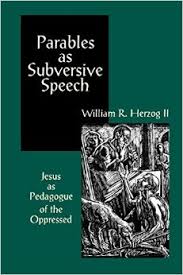 I love reading. For lent this year, my wife and I have switched off the TV and are giving our noses some more book time. There are two books I’ve read this past 12 months which have impacted me deeply: “Parables as Subversive Speech – Jesus as Pedagogue of the Oppressed” by William R. Herzog II and “The Prophetic Imagination” by Walter Brueggemann. I would seriously recommend them to you, whatever your faith or political background – they are challenging to the core. I want to blog a mini series on l
 essons I have learnt and thoughts that have provoked me as I have read.